
The Paradox of Popularity
(Or: How your barista’s Van Cleef might be the end of luxury as we know it)
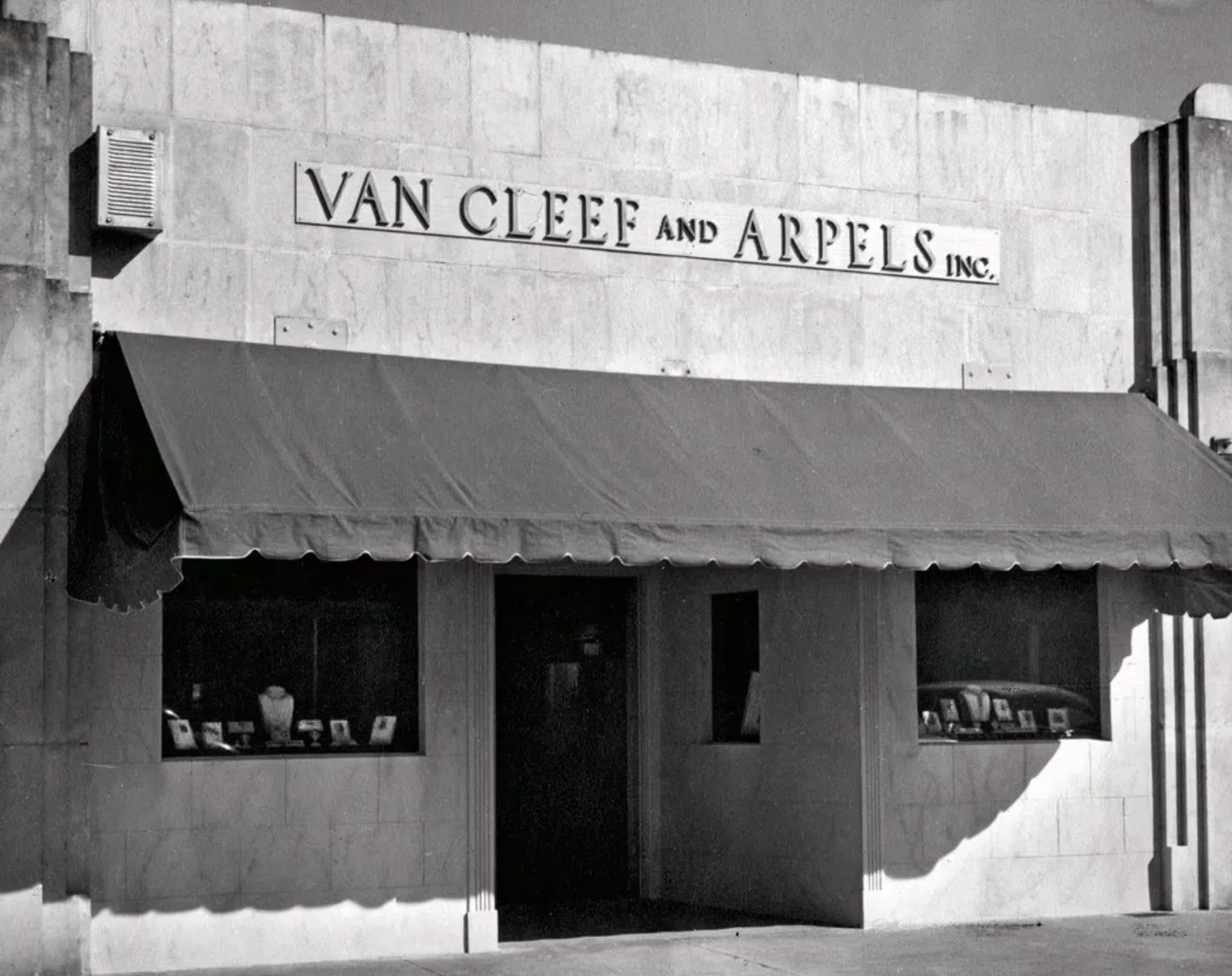
Once Upon a Clover… spotting a Van Cleef & Arpels Alhambra clover bracelet in the wild was like seeing a yellow-crested warbler in the… well, wild.
It wasn’t simply a mere bracelet. It was a whisper of old-money elegance. A clear sign that this person has money money.
The delicate clover charm quietly signalled taste, heritage, and access. Those who knew, knew. And those who didn’t? That was kind of the point.
But then came the Instagram era. Suddenly, the bracelet wasn’t confined to society luncheons and private members’ clubs - it was everywhere. On influencers tagging #OOTD and #fyp. On social media ‘limited time offers’ at a suspiciously cheap price. On your barista, who somehow has four stacked on her wrist.
And with each new sighting, something changed. The allure faded. What was once the pinnacle of understated exclusivity became… well, common. Looked down the end of a dainty posh nose at.
WHEN RARITY BECOMES ROUTINE
The Alhambra’s rise - and unceremonious fall - in perceived prestige isn’t an isolated case.
It’s the same reason people stopped bragging about owning a Louis Vuitton Speedy bag in the 2000s. Or why that little Italian restaurant you adored around the corner doesn’t feel as special now that it’s flooded with TikTokers painstakingly conducting a full-fledged studio shoot at your old table.
It’s human nature.
Ever wondered why we’re fascinated by diamonds, when realistically, they are just neatly stacked carbon rocks?
Psychologically, we’re drawn to what feels rare. Scarcity makes things seem valuable. Not just in a monetary sense alone, but in an identity sense.
When a brand or experience is hard to get, it signals discernment. You’re not like everyone else. You discovered it. You belong to a smaller, elite, more refined circle of people in the know.
But once it’s everywhere, it’s stripped of that magic. It no longer says, ‘I have exclusive tastes’. It says, ‘I have access’.
And that’s just not the same thing.
THE SNOB EFFECT (AND WHY IT’S TOTALLY RATIONAL)
Economists actually have an incredibly scientific name for this: The Snob Effect.
Basically, it’s the tendency for demand to drop as popularity rises.
It’s almost the opposite of the Bandwagon Effect. Everyone’s getting off this particular ride as quickly as they can.
It’s not about ego (well, not only about ego). It’s about identity signalling, the way we use brands and cultural touchpoints to express who we are.
When you wear a brand, listen to an artist, or champion a business that few others know about, you’re signalling individuality and insider knowledge. You have a point of difference that makes you mysterious and interesting.
But when that thing becomes too mainstream, it stops working as an identity marker.
The subconscious thought process goes something like this: ‘If everyone has it, it can’t say anything unique about me’.
So, just like that, we move on to the next undiscovered gem. And the next. And the next.
THE CYCLE OF COOL
You know this story. We’ve all lived it:
Discover → Connect → Covet → Watch it go mainstream → Feel disenchanted → Seek the next hidden gem.
Think about your favourite indie band. The one you discovered before they sold out the stadium tour. Or that secret café that always had a table free, until they started only serving the viral strawberry matcha iced lattes for $15 a pop.
At first, these finds feel personal. Then, the algorithm gets involved.
Popularity explodes. The vibe changes. And the regulars leave.
Brands experience the same phenomenon. The more accessible they become, the less aspirational they feel to their early adopters, and the more likely they are to ditch and run.
THE LUXURY IDENTITY CRISIS
Cartier’s Love bracelet tells a similar story. What once symbolised commitment (seriously, it literally screws onto your wrist) became so mass-adopted, and so replicated, that Cartier stopped offering authentication services altogether.
When everyone, every counterfeit, and their dog can wear your brand’s signature product, what does it say about authenticity, rarity, and value?
Luxury’s greatest irony is this: the moment everyone can have it, no one truly wants it anymore.
WHEN “FOR EVERYONE” BECOMES “FOR NO ONE”
This is a deeply uncomfortable, paradoxical truth….Success can erode exclusivity.
The very visibility that drives growth can also dilute meaning. Brands built on identity, taste, or status can’t afford to be ‘mass’. Because as soon as something becomes for everyone, it stops feeling personal.
It’s like when you drag the bins out to the curb and see your neighbour, their teenager, and their teenager’s best friend’s mum all rocking the same ‘quiet luxury’ look as you. Not so quiet anymore.
THE LESSON FOR BRANDS
Virality isn’t always a victory. We’ll be the first to admit, attention is nice. Attention is lovely! But attention without alignment? That’s how you lose your edge.
It's kind of like how attention from the handsome stranger at the other end of the bar makes your heart skip a beat… but attention from the guy with rogue nose hairs, a beer gut that arrives three seconds before he does, and an opening line that starts with "smile, love"? Yeah. Not quite the same dopamine hit.
If your brand tries to please everyone, it will stop resonating deeply with anyone. It’s far better to be a cult favourite than a crowd pleaser.
And great brands understand this - they protect their mystique. They reward the loyal, not the loud. They create moments of belonging, not mass adoption.
SO… WHAT’S THE SWEET SPOT?
The brands (and bands, and cafés) that stay timeless don’t chase exposure. They curate perfect moments of brand intimacy. They make you feel like part of something special. All whilst they stay slightly out of reach. They know that a little mystery in a relationship is addictive (remember that handsome stranger from before?).
Because scarcity isn’t manipulation. It’s just good old-fashioned psychology.
Not everyone should sit at your table.
So, the next time something you love suddenly becomes ‘everywhere’, don’t be surprised if you fall a little out of love with it. You can’t help it, you’re human (and a bit of a snob…)
We crave distinction. It’s how we form identity.
And that’s why, in brand marketing, the goal isn’t to be the loudest voice in the room.
It’s to be the one who still whispers something only your people understand.
Tell us - what’s your ‘it was cool before it blew up’ story? Have you got Taylor Swift’s original album? A white boucle armchair hiding shamefully in the corner? A bottle of truffle oil in your cupboard from when you went to Italy years ago, before they started putting it on everything?
We’ll keep your secret. Promise.
Need help creating branding that sticks? Here's how Milkshake can help when you're ready:
🧱 Brand Strategy — All sticky brands start with strategy. We'll craft a strategic foundation that ensures your brand shows up consistently, powerfully, and unforgettably across every customer interaction. Learn more →
🧠 DIY but kinda lost? Grab our free resource: "The Ultimate Guide to Brand Psychology" and learn how to apply these principles yourself. It's packed with science-backed principles, real-world examples, and actionable tips ready to use. Get your slice →
🖼️ Branding & Design — Visuals are one of the most important ways you can build your brand’s world. We'll help you create a visual identity and brand experience that turns customers into believers, with design that reinforces who you are at every single moment. View our work →
✏️ Brand Message Development — Looks aren’t everything. What you say matters too! We'll craft your brand messaging to tap into the psychology that makes people feel something—and then buy something. See our copywriting services →