
Lessons from Ralph Lauren Lattes
Ralph Lauren, not content with just clothing your body, now wants to fill it from the inside out.
We visited Ralph's Coffee in New York to dissect the psychological sleight-of-hand that transforms an ordinary café into Ralph Lauren's most potent brand evangelism tool.
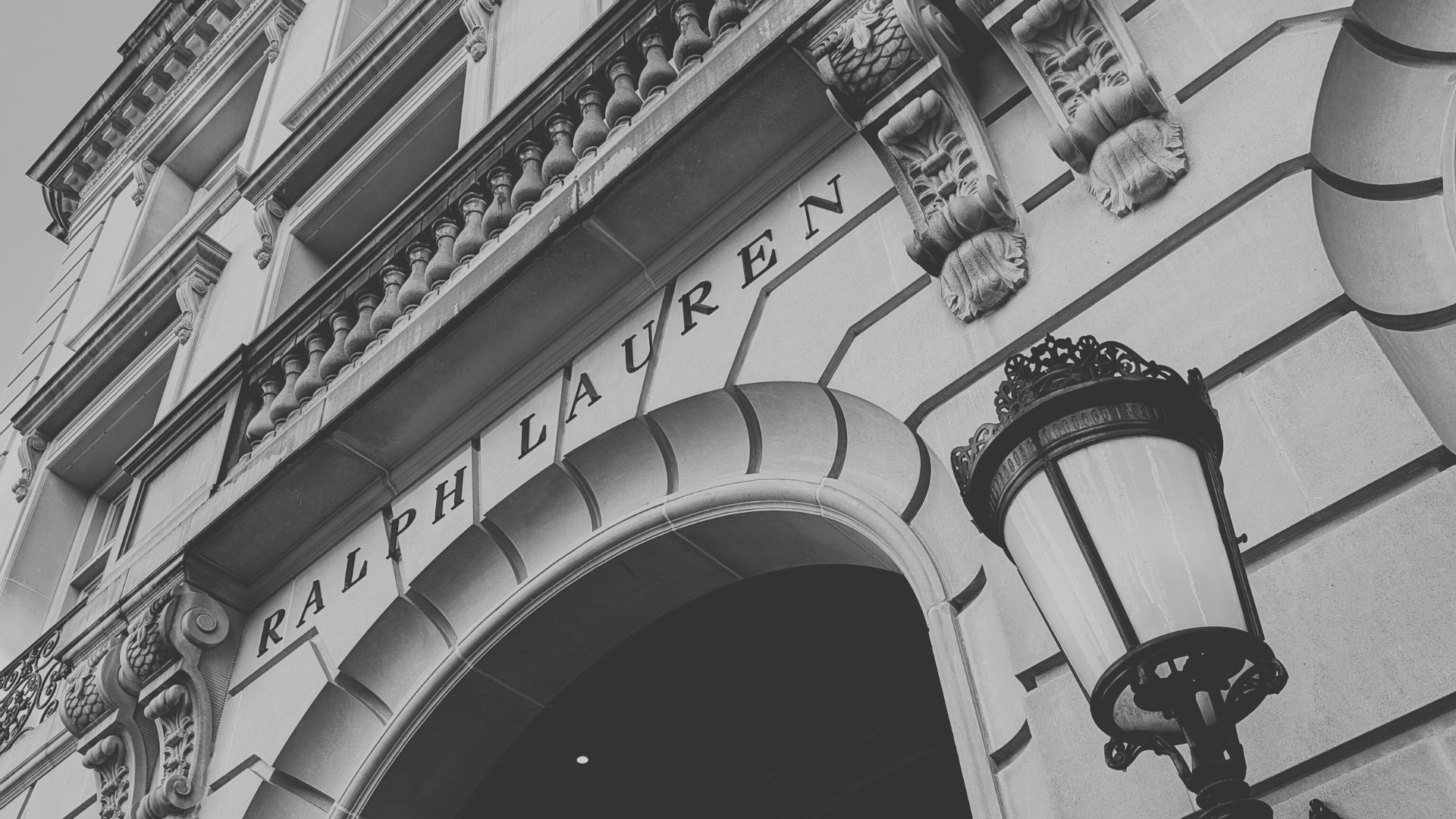
Somewhere in Manhattan, between the glint of designer sunglasses and the scent of “heritage,” someone is paying $14 for a latte and feeling… oddly proud about it.
Not because it tastes that good (it doesn’t).
Not because they’re particularly caffeine-deprived (they’re not).
But because it’s from Ralph’s Coffee.
That emerald-green cup isn’t just holding a drink. It’s holding meaning.
This isn’t about coffee. Far from it.
It’s about character. Taste. Or at least, the illusion of it.
Welcome to the caffeinated cult of Ralph Lauren’s brand psychology.
RL haven’t so much built a cafe as they’ve built a place of worship for brand devotees.
A cathedral of commerce where the faithful gather to worship at the altar of aspiration and arabica. AND it’s the perfect respite for an Aussie coffee snob from the disgusting coffee scene in the US (not sorry).
The pews (booths) are full. The tithes ($14 lattes) are flowing. The followers (like me) are multiplying.
So naturally, I did what any self-respecting brand obsessive would do: I soaked it all in, dissected the psychology, identified the strategies in their stack, and distilled it for your strategic pilfering pleasure.
You're welcome.
THE GREAT CAFFEINE CON
Let’s get very clear on one thing: Ralph Lauren doesn’t need to sell coffee.
He’s not strapped for cash, or revealing that his true passion was coffee all along.
He could have stopped at polo shirts and preppy perfection. But that’s the thing about power brands: they’re never content to just sell you things. They sell you yourself.
Ralph’s Coffee is a masterclass in lifestyle branding. A living, sipping, perfectly poured latte-art embodiment of the brand’s fantasy world.
When you’re sitting amongst the mahogany booths and the skyscrapers of merch, you’re not merely drinking caffeine. That would be ludicrous!!
Nay, you’re consuming the Ralph Lauren ideology, the polished Americana, the crisp white shirts, the “old money but make it approachable” fantasy.
That exorbitantly priced latte? It’s liquid aspiration. And you’ve fallen for it, hook, line, and wallet.
THE PSYCHOLOGY OF THE PREMIUM CUP
So why do we, as rational human beings, willingly and enthusiastically hand over our credit cards for something we could get for a fraction of the price two blocks over?
Because that green cup taps into three of the most potent psychological levers in brand strategy: identity, social currency, and moral signalling.
When you sip a Ralph’s latte, you’re not thinking, This is a great drink! You’re thinking, I am the kind of person who drinks this.
That’s identity reinforcement in action, the phenomenon where consumers buy to reflect or strengthen their sense of self. Because unfortunately, it’s not just the caffeine you’re craving. It’s the affirmation.
And because it’s wrapped in Ralph Lauren’s aura of timeless taste, it doubles as social currency. The logo may be small, but the statement is loud: “I have taste. I have restraint. I have access.”
Nº1. MORAL SIGNALLING (IN A CUP)
Here’s where it gets a little more deliciously ironic.
Quiet luxury and heritage branding have hijacked moral language to justify indulgence. We’re no longer buying expensive things because they’re flashy, we’re buying them because they’re refined. Conscious. Timeless.
It’s a linguistic sleight of hand. The same psychology that drives sustainable fashion or artisanal produce is now fuelling the $14 latte economy.
You’re not being indulgent or frivolous. You’re being intentional. And only the elite could understand the difference (and be able to afford it at the same time).
That’s virtue laundering, or the process of reframing luxury consumption as ethical behaviour. The handcrafted cup, the “heritage blend,” the reclaimed wood interior? All of it gives moral permission to splurge.
Because if it’s beautifully branded and steeped in nostalgia, it must be wholesome, right?
…Right?
Nº2. CONSISTENCY FOR CONGRUENCE
Ralph’s Coffee doesn’t just sell caffeine. It sells calm, a reverence usually found only in art galleries or churches.
Step inside and you’re greeted by the hushed tones of mahogany and money. Everything is perfectly congruent: the wooden counters, the uniformed baristas, the rich colour palette that echoes Ralph Lauren stores.
It’s sensory congruence theory - the idea that when your senses receive aligned brand messages, your brain trusts the experience more.
Every detail is deliberate. The visuals whisper “heritage.” The music hums “prestige.” The smell of espresso suggests “comfort, but make it couture.”
And suddenly, you’re not buying a coffee. You’re buying coherence.
In a world that’s noisy and messy and algorithmically overwhelming, that kind of emotional consistency feels like therapy. The cheaper, mildly less fulfilling, caffeine-fuelled kind.
A step further, and this consistency and dedication to the cause means that Ralph’s moves from being a coffee shop to an entire world of its own (more on that later).
Nº3. LOCATION, LOCATION, LOCATION
Of course, the $14 latte isn’t just about what it is; it’s about where it is.
Ralph’s Coffee sits strategically in prime real estate: New York, Tokyo, Paris. You name the global capitals of cultural aspiration, Ralph’s has reserved its spot there.
Their coffee shops are now must-see destinations. Converting a pedestrian convenience into a standalone attraction that drives traffic and creates value beyond its basic function? Genius. One doesn’t simply stumble into Ralph’s; you arrive there.
This is Destination Value Theory, based on the idea that certain locations or experiences become attractions in themselves, elevating basic functions (like coffee) into meaningful experiences. Additionally, Ralph’s is leveraging Geographic Association, borrowing cultural cachet from strategic locations to enhance their brand perception.
By planting their flag in the epicentre of global culture and finance, Manhattan's prestige becomes Ralph's prestige.
So when you’re sipping your latte on that hunter-green booth seat, know that you’re becoming part of the story, whether you like it or not.
Nº4. CAFFEINE & CONDITIONING
There’s also something sneakier at play: associative conditioning.
When you enjoy your expensive latte in sitchu (the cup, the calm, the subtle social buzz, the perfectly polite waiter), your brain links those good feelings to the Ralph Lauren brand.
Soon, even the idea of Ralph’s Coffee triggers a warm, aspirational glow. And that emotional association spills into other brand categories, from fashion to fragrance. Pavlov, but make it preppy.
This elevates the coffee shops from marketing extension to psychological strategy. Ralph is building and expanding their world, and every latte is just a loyalty loop disguised as lifestyle.
Nº5. STATUS, NOW IN TAKEAWAY FORM
Ralph’s Coffee democratises luxury without cheapening it.
Not everyone can afford a $3,000 blazer. But everyone can afford a taste (literally) of that world. That cup of coffee becomes the entry ticket to belonging, and suddenly $14 seems like a cheap price to pay.
This is accessibility without dilution. It’s the same strategy Ralph has been sticking to with their varied lines at various price points. It’s also the strategy that turned Apple into a cult and Glossier into a movement. Make your luxury feel exclusive, but make participation possible.
Sure, you may not ever own the dream, but you can sure as heck sip it.
Nº6. THE LATTE THAT LAUNCHED A LIFESTYLE
By now, Ralph Lauren has achieved what most brands can only fantasise about: brand transcendence, moving beyond selling products to selling a worldview.
They’ve leveraged retroactive brand mythology. Their brand extensions feel so inevitable that you forget they started with fashion. They’ve transformed from a label into a belief system. One where aesthetics double as ethics, and drinking coffee becomes an act of identity performance.
It’s the commodification of calm, the packaging of taste, a kind of retail theology where good branding feels like moral superiority, and consumerism masquerades as connection. We don’t just buy Ralph Lauren. We aspire to be Ralph Lauren.
DELICIOUS, INEVITABLE IRONY
So yes, your $14 latte does make you feel like a better person. Just not for the reasons you think.
It’s not because it’s sustainably sourced or perfectly brewed. It’s because it gives you what all great brands sell: meaning.
The illusion that your choices are reflections of depth, when really, they’re echoes of desire.
That’s the magic of it. You know you’re being seduced. You just don’t care.
Because when marketing is this elegant, this self-aware, and this beautifully manipulative, it’s hard not to drink the Kool-Aid. Or in this case, sip the single-origin espresso.
3 Key Takeaways for Small Brands:
Relentlessly brand everything.
You have assets, use them. Every touchpoint is an opportunity to reinforce who you are.Engage multiple senses across your brand.
If you're shipping packages, spritz them with a signature scent. If you're a digital service, brainstorm how you can get your brand into someone's hands.Sell the world, not just the product.
How does your brand look, sound, smell, taste? Create a world around your brand. The easiest ways to do this are through consistent brand application and solid storytelling—but to do that you need a messaging system, tone of voice guidelines and brand strategy. If only you knew a very clever agency that could help…
Need help turning psychology into sales? Here's how Milkshake can help when you're ready:
🧱 Brand Strategy — Like Ralph Lauren's meticulous attention to every touchpoint, we'll craft a strategic foundation that ensures your brand shows up consistently, powerfully, and unforgettably across every customer interaction. Learn more →
🧠 DIY but kinda lost? Grab our free resource: "The Ultimate Guide to Brand Psychology" and learn how to apply these principles yourself. It's packed with science-backed principles, real-world examples, and actionable tips ready to use. Get your slice →
🖼️ Branding & Design — Ralph's doesn't just sell coffee, they sell a world. We'll help you create a visual identity and brand experience that turns customers into believers, with design that reinforces who you are at every single moment. View our work →
✏️ Brand Message Development — Ralph's Coffee whispers "heritage" and "prestige" through every carefully chosen word. We'll craft your brand messaging to tap into the psychology that makes people feel something—and then buy something. See our copywriting services →